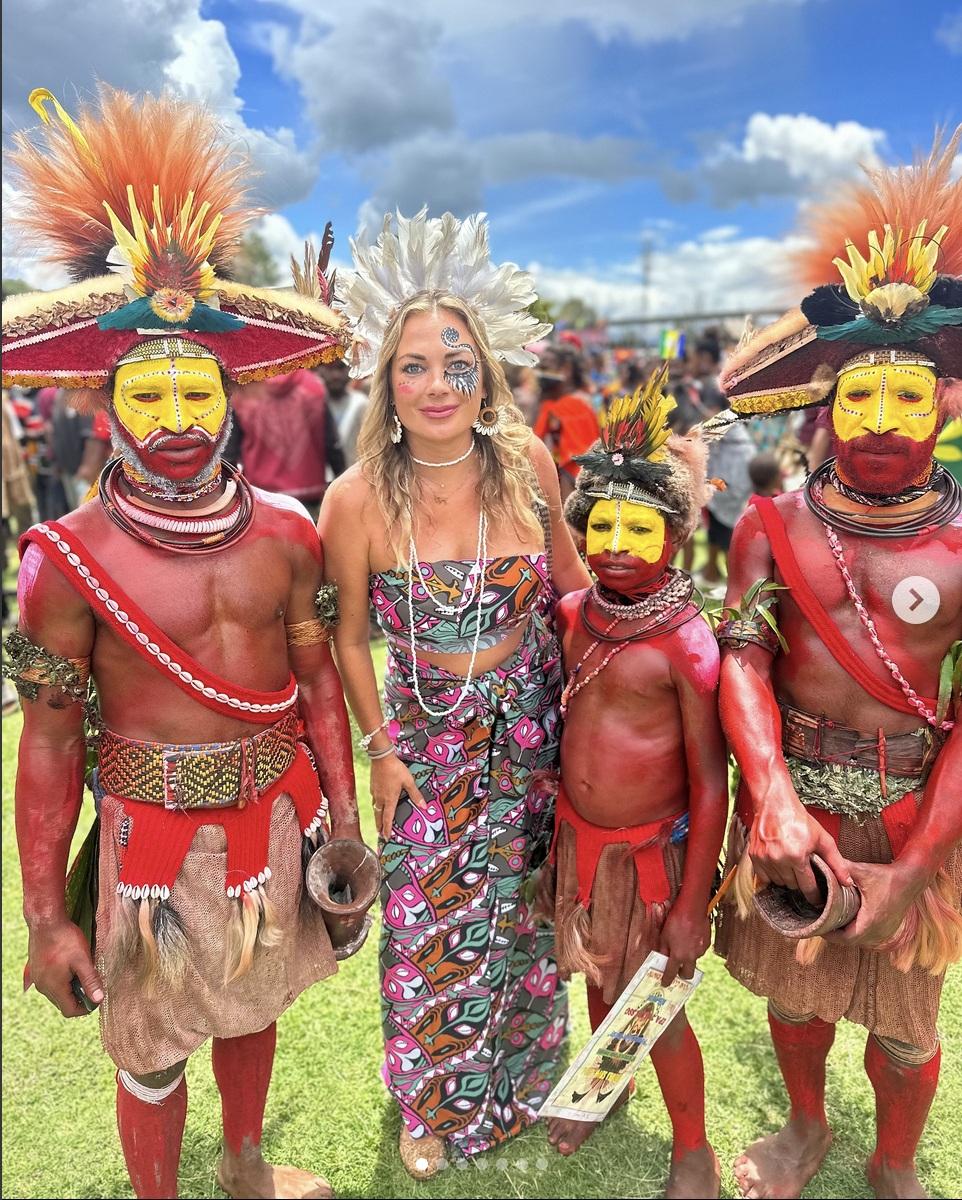
Hidden behind volcanic ridgelines and river systems that write their own rules into the land, Papua New Guinea remains one of the few places on Earth where ancestral identity is still a daily practice. More than 600 tribes speak languages that share no common root, yet they are bound by a quiet understanding: tradition survives only when it is fully lived.
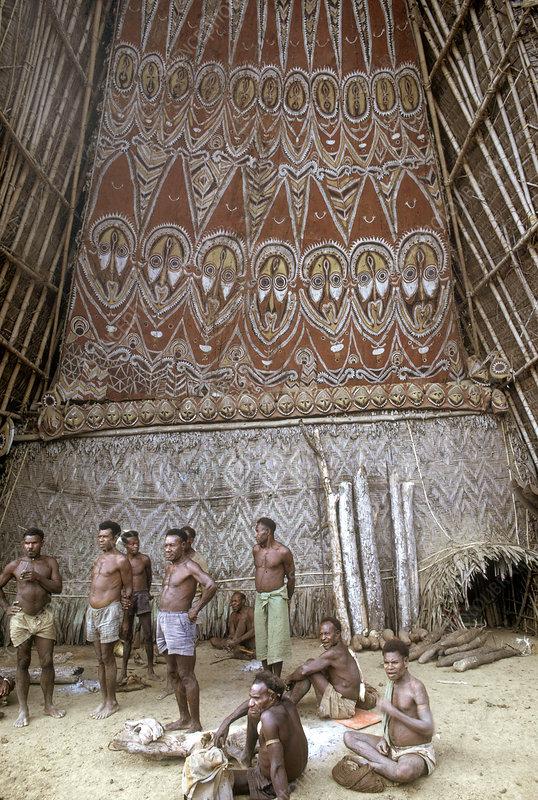
Here, clay masks hardened by fire still carry the weight of the Asaro’s stories, wigs patiently woven from human hair mark the discipline and pride of the Huli, and spirit houses along the Sepik stand as places of story, initiation, and authority, not as displays, but as functioning hearts of community life.
Travel through Papua New Guinea is not built around highlights, but around crossings: from highland valleys where cloud forests shelter entire cultures from the outside world, down to the slow, river-bound universe of the Sepik, where time is felt in carvings, drum rhythms and ritual marks that echo the crocodile’s skin. Encounters here are not staged for spectacle; they happen on their own terms, when you arrive with respect, patience, and a genuine willingness to engage.
This journey is meant for travelers who are less interested in comfort for its own sake and more interested in meaning: people who have already seen the “easy” parts of the world, who are prepared for simplicity, humidity, mud, and long days, and who understand that the real luxury here is access. Access to living cultures that rarely open themselves to strangers, to conversations that change the way you think about community and heritage, and to a place that cannot be replicated anywhere else on the planet.
Arrival & settling in
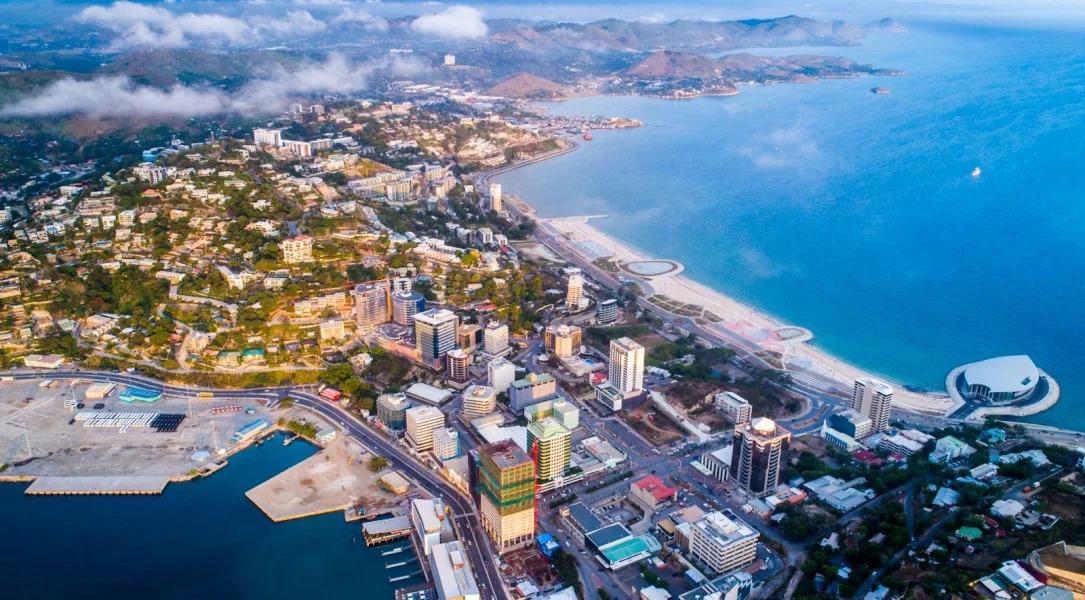
Arrival in Port Moresby, where our local guide and driver welcome you at the airport and accompany you to your accommodation.
The remainder of the day is free to rest after international travel and acclimatize to the tropical rhythm of Papua New Guinea — giving space for the journey to begin without rush.
History, landscape & coastal heritage
After settling in, the day offers a first introduction to the cultural foundations of Papua New Guinea.
We begin at the National Museum, followed by the National Parliament, whose architectural design draws from the traditional Haus Tambaran — a reminder that ancestral forms continue to shape the country’s civic identity.
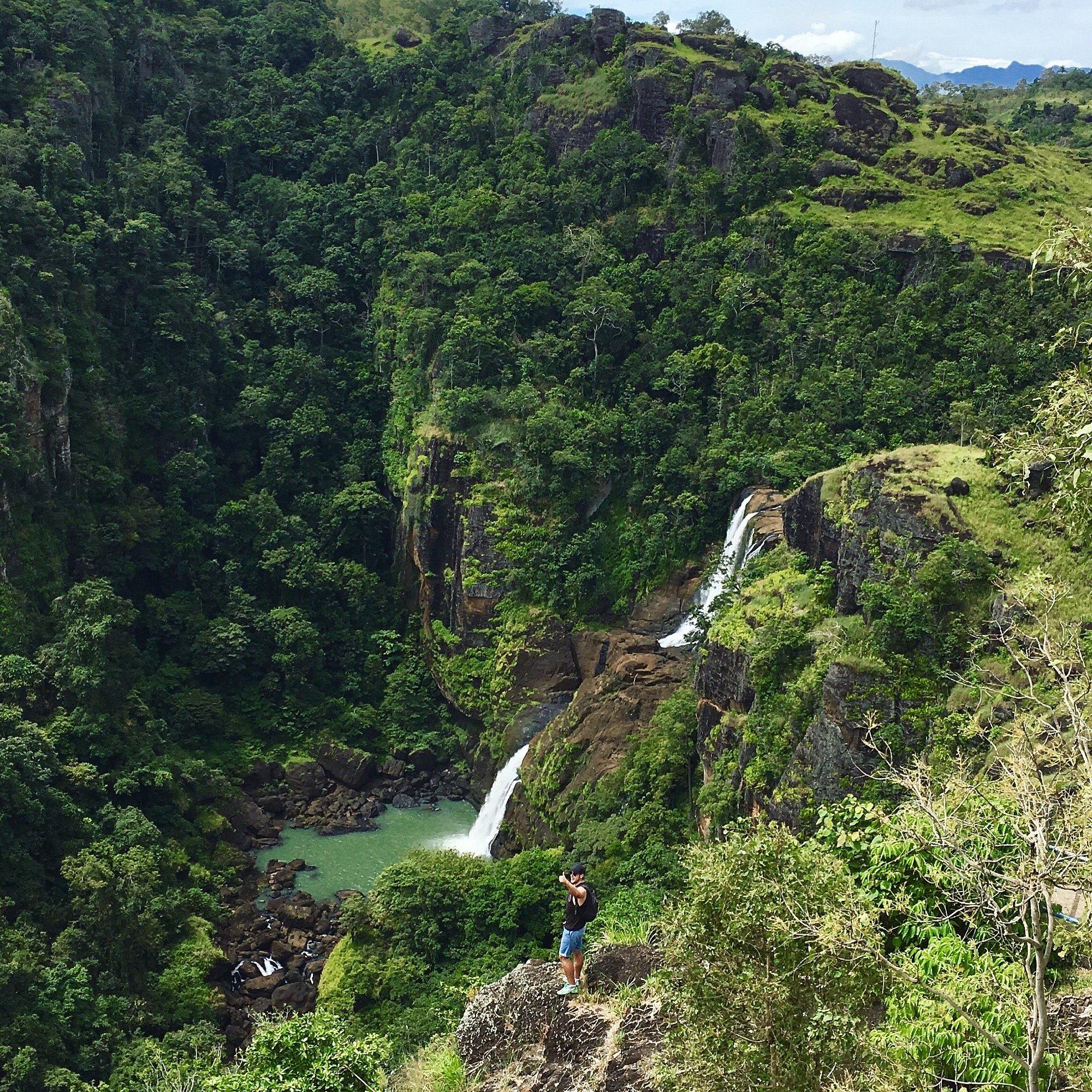
Lunch follows at a local café recommended by our guide, before driving into Varirata National Park, where lookout points
open toward rainforest valleys and the broader landscape of the Central Province.
In the late afternoon, we visit Hanuabada Village, one of PNG’s most emblematic stilt communities, where daily life unfolds above the tide line in a setting that reflects centuries of coastal adaptation.
Return to accommodation to rest before traveling deeper into the Highlands the next day.
Highlands arrival & first cultural encounters
Morning transfer from your accommodation to Port Moresby Airport for the domestic flight to Mount Hagen, gateway to the Highlands. On arrival, you are met again by your local guide and driver, who accompany you into the landscapes and cultures that define this region.
Our first stop is the Mount Hagen vegetable market, a vibrant meeting place where growers from surrounding villages gather with produce, woven bilums, and everyday goods — a direct window into local life and agriculture.
From here we continue to a Melpa community, where you are welcomed into one of the Highlands’ core cultural groups. This visit offers an initial understanding of clan structure, traditional practices, and the role of land and gardens in Melpa identity.
By late afternoon, transfer to your accommodation to settle in and rest before the deeper exploration of the Highlands begins.
Into the heart of the Highlands - We leave Mount Hagen in the morning and travel toward Simbu Province, where the Highlands rise and fold into deep valleys that have sheltered cultures for generations. The transition is felt gradually — roadside gardens and coffee plots give way to steeper terrain, cooler air, and communities for whom land, ancestry, and ritual remain closely intertwined.
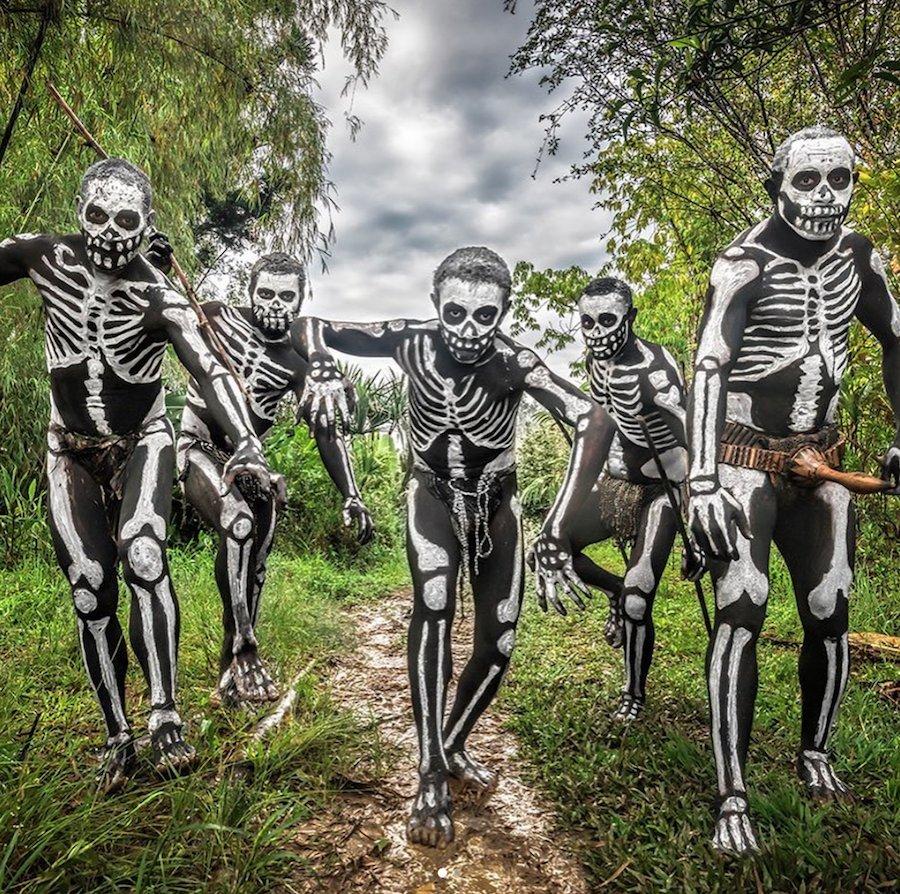
The day’s central encounter is with the Skeleton Tribe, whose distinctive body painting and rhythmic dust-shakers are rooted in ancestral narratives of protection and presence. Here, the preparation and performance are not theatrical displays, but expressions of lineage and memory—movements and markings passed down through the community rather than reconstructed for visitors. Observing the full process offers a rare insight into how cultural knowledge is still preserved, practiced, and embodied.
From there, we travel onward to Gembogl, a settlement resting at the base of Mount Wilhelm, the highest point in Papua New Guinea. The shift from ceremony to mountain landscape creates its own rhythm: cloud-wrapped ridges, sharp air, and a sense of arrival at the threshold of the country’s alpine world.
Evening brings a fresh trout dinner sourced directly from a local farm—simple, regional, and aligned with the environment.
We overnight in Gembogl, with the silhouette of Mount Wilhelm marking the horizon for the day ahead.
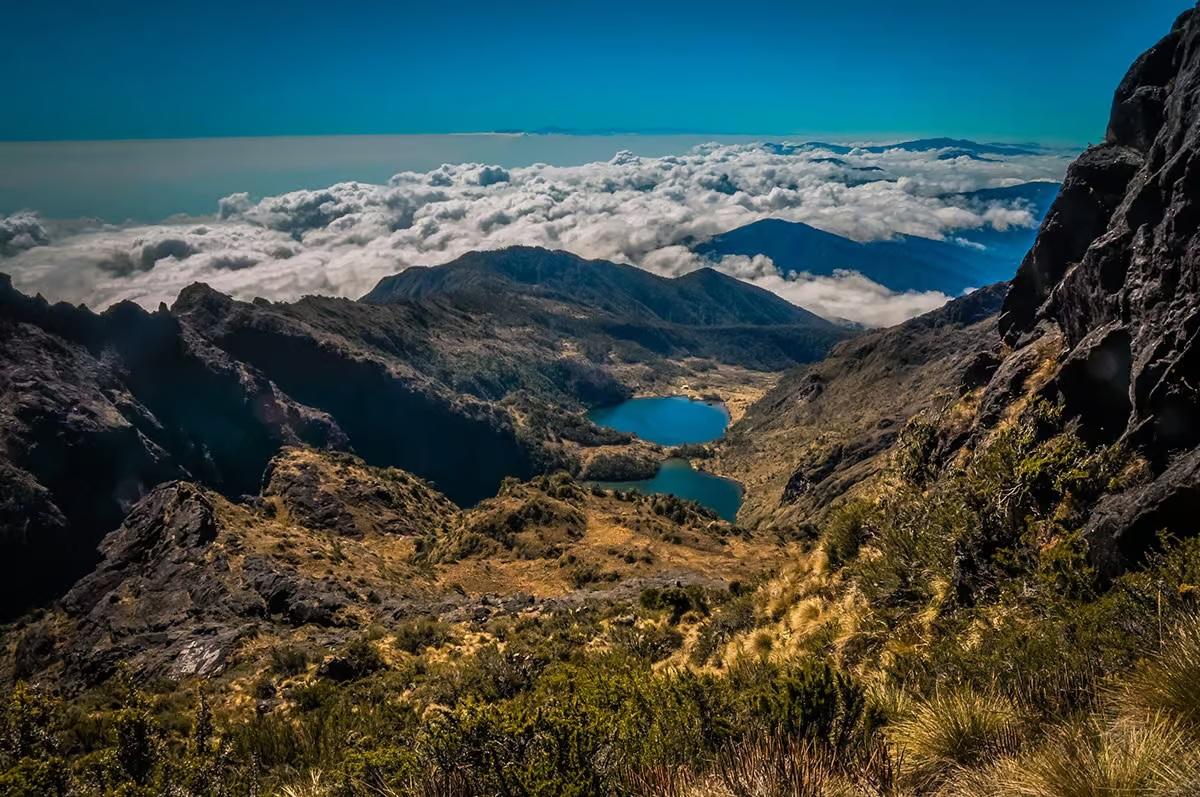
Mount Wilhelm and the alpine Highlands - We begin before the day fully settles in, setting out on a guided walk through the alpine foothills of Mount Wilhelm. The ascent is gradual rather than technical, allowing time to adjust to the change in altitude and to take in a landscape that feels markedly different from the lowland tropics.
As we make our way toward the lake near base camp, the Highlands show a quieter, more austere character: open ridgelines, pockets of mist, and slopes shaped by long-cooled volcanic activity. The air is thinner and cooler here, carrying a clarity that sharpens both sound and distance. Time spent at the lake offers space to absorb the contrast between this environment and the cultural intensity of the previous days — a natural pause before the journey continues.
By late afternoon we return to Gembogl and settle in for another night. This stop allows the body to rest and the mind to integrate, before traveling deeper into the cultural landscapes that follow.
Coffee highlands & local craftsmanship - We depart Gembogl in the morning and head east toward Goroka, following a route that traces the rhythm of coffee-growing country. Our first stop is Kongo Coffee in Chuave, where Highlands beans are harvested, processed, and prepared for export. The visit offers a clear sense of how geography, climate, and community labor shape one of Papua New Guinea’s most valued products.
Continuing along the highway, we reach Daulo Pass, a lookout point where the Highlands open into wide, terraced valleys. From here, you can see how agriculture and settlement patterns have adapted to the terrain over generations — each ridge and garden reflecting practical knowledge rather than design.
Upon arrival in Goroka, we meet members of an Alunumna community, followed by time at two key local markets: the vegetable market, which anchors daily life and food culture, and the bilum market, where hand-woven string bags are sold directly by the makers. These markets reveal the continuity between tradition and livelihood — craftsmanship, trade, and necessity aligned rather than separated.
By late afternoon, we settle into your accommodation in Goroka, with time to rest before the cultural immersion of the following day.
Mumu preparation & Asaro cultural heritage - We begin the day with a transfer from your accommodation to a Highlands village, where preparations for a traditional mumu are already underway. This cooking method remains central to communal gatherings throughout the region, and you observe the full process firsthand: stones heated over fire, ingredients layered and wrapped, and the earth carefully sealed to create slow, even heat. Nothing here is rushed; the rhythm of the preparation reflects the value placed on time, patience, and shared work.
While the mumu cooks beneath the soil, we travel to an Asaro community to meet the Mudmen and moko-moko victory dancers. Their clay masks and movement patterns hold meaning tied to clan history, strategic defense, and ancestral discipline—expressions that continue to shape identity today, not as performance but as inheritance.
We return to Matehau village as the mumu is unearthed, revealing the final stage of a practice that has remained largely unchanged for generations. Depending on comfort and preference, you may share a meal with local hosts—a gesture of hospitality that deepens the experience without formal ceremony.
By late afternoon, we transfer back to your accommodation in Goroka, bringing the day to a close with a clearer sense of how food, community, and culture interconnect across the Highlands.
Gateway to the Sepik - In the morning, we transfer to Goroka Airport for the flight to Wewak — a transition from the upland valleys of the Highlands to the coastline of East Sepik Province. Depending on national flight schedules, routing may include a brief stop in Port Moresby, before continuing north toward the sea.
After arrival in Wewak, we begin with a short town orientation, creating context before entering the river world in the days ahead. One of the key sites we visit is Cape Wom, remembered as the location where Japanese forces formally surrendered in 1945 — a quiet, open stretch of land where history still lingers without signage or spectacle. The space invites reflection rather than instruction, offering a moment to acknowledge the global events that have shaped this region within living memory.
We continue to the local markets, where coastal rhythms become immediately visible: woven mats drying in the sun, freshly caught fish displayed alongside tropical fruit, and families gathering to exchange goods and stories. The atmosphere contrasts sharply with the Highlands — different climate, different materials, different pace — yet the same sense of community at the centre.
As late afternoon approaches, we check into your hotel in Wewak, with time to rest and prepare for the shift inland toward the Sepik River the following day.
We depart Wewak in the morning by 4WD, traveling inland toward Pagwi, the main access point to the Middle Sepik (approx. 4–5 hours depending on road conditions).
At Pagwi, we board a motorized dugout canoe and begin navigating the waterways toward Ambunti, where the transition into river life becomes immediate — slower movement, villages built close to the banks, and daily routines shaped by the tides and currents.
We overnight in a village guesthouse, a simple but meaningful setting that allows the first connections with local carvers and artisans, whose work remains central to identity along the Sepik.
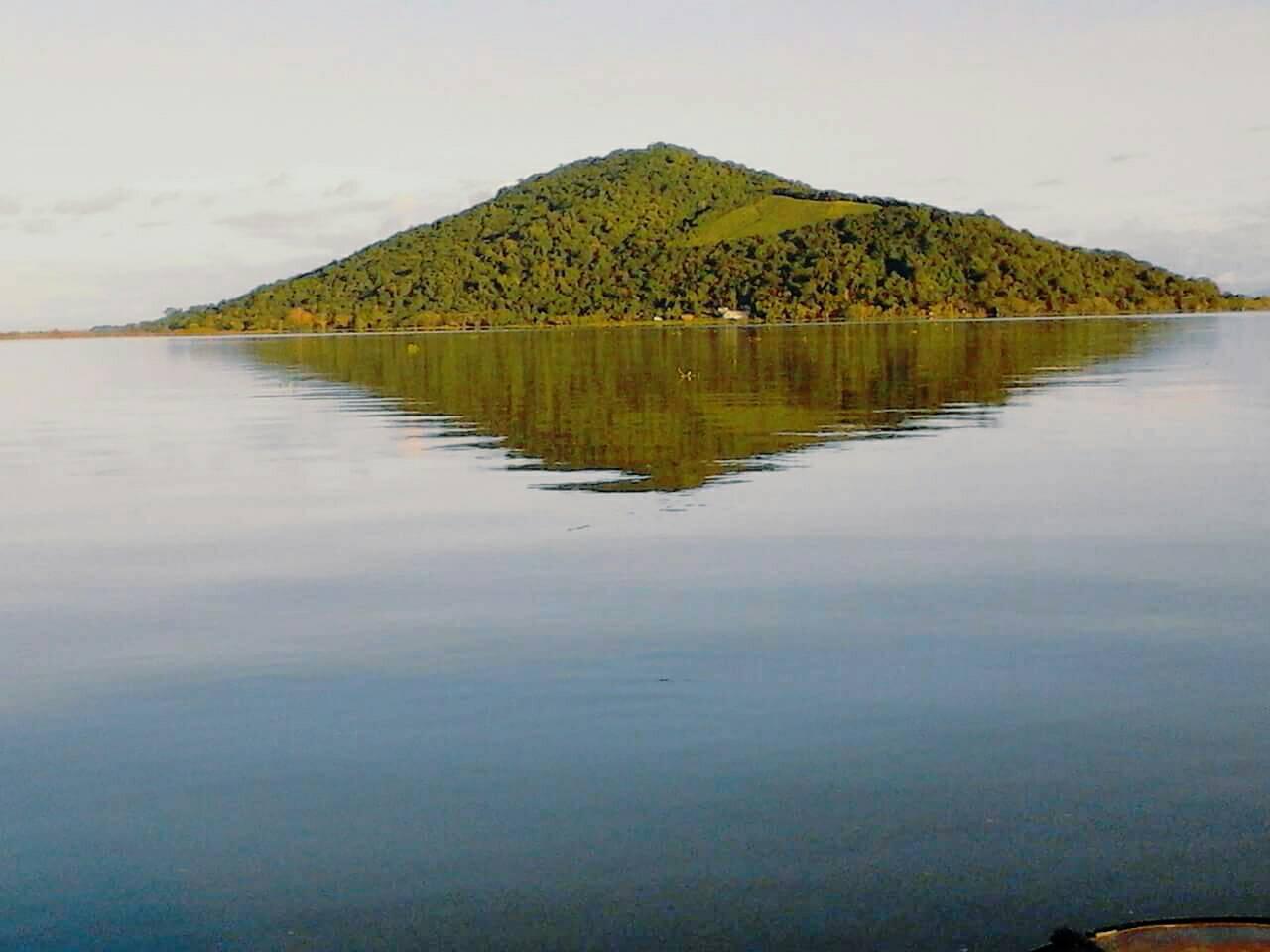
We continue upriver by canoe toward the Chambri Lakes, where water, clay, and daily life are inseparable. The transition from the main channel into wider lake systems slows the pace even further; the river broadens, reflections become sharper, and villages sit slightly elevated above the flood line, shaped by centuries of seasonal adaptation.
Our focus today rests with the women of Chambri, renowned for pottery that carries both utility and meaning. Their work is done without a wheel — clay is gathered, kneaded, shaped, and fired through methods that predate colonial contact, each vessel reflecting not only skill, but lineage. The process is often communal: older women guide, younger ones assist, and children watch closely, absorbing techniques long before they attempt their first pots.
Beyond the pottery, the wider community of artisans and carvers offers insight into how material culture travels along the Sepik. Masks, drums, totemic carvings, and decorative elements each reference ancestors, spirit houses, and clan histories — objects made to be used, not staged. For those who wish, this is a rare opportunity to acquire authentic Sepik art directly from its creators, with clarity on provenance and meaning.
As evening approaches, we overnight in the village, staying close to the center of these traditions.
Before sunrise, we board the canoe once again and begin the journey back toward Pagwi. The river feels different in the early hours — quieter, with low mist hanging over the water and the silhouettes of wooden canoes sliding past in near silence. Villages slowly come alive on the banks: smoke rising from morning fires, children waving from the shoreline, the distant echo of drums or tools marking the start of the day. This gradual return allows time to reflect on the encounters of the previous days — carvings that hold ancestral meaning, pottery shaped from clay sourced within sight of the village, and conversations that reveal how cultural knowledge is passed on through practice, not preservation.
At Pagwi, we transition back to 4WD transport and begin the drive to Wewak. The shift from canoe to road happens almost like a change of chapter — riverbanks give way to open landscapes, and the humidity of the Sepik slowly fades as coastal air takes over. Arrival in Wewak brings a sense of spaciousness: the horizon widens and the soundscape shifts from river rhythms to waves and the distant calls of seabirds.
The afternoon is left at leisure, creating space to decompress — whether by resting at the hotel, walking along the shoreline, or spending unhurried time at the beach. After days of dense cultural immersion and river travel, this pause allows the experience to settle internally before the final leg of the journey.
As evening approaches, we gather for a farewell dinner with our local guides, acknowledging the generosity, knowledge, and presence that made access to these communities possible. Stories, reflections, and gratitude are shared around the table — a closing moment before departing the Sepik region.
Overnight in Wewak, with the ocean as your final soundtrack on the northern coast.
The final morning in Wewak begins without rush, allowing time to revisit the textures of the coast before departure. We make a stop at local craft markets, where the atmosphere is unhurried and personal—artisans display woven bilums, carved masks, and small pieces of Sepik art that carry the imprint of their makers’ stories and hands. This is an opportunity to meet the people behind the objects, to ask questions, and to choose a piece that holds meaning for you—something that brings the rhythm of this journey back home in a way that feels authentic, not decorative.
After the market visit, we transfer to Wewak Airport, where farewells are exchanged and luggage is handled before boarding the flight back to Port Moresby. The return to the capital marks the end of the route and the beginning of reintegration into the world you came from.
From Port Moresby, connect to your international departure, carrying with you not only memories of landscapes and encounters, but the rare perspective of having witnessed traditions that continue to define life in Papua New Guinea—alive, practiced, and resilient.